- 3354 + containers delivered
- Serving Salt Lake County
City access details
Salt Lake City placement starts with the approach
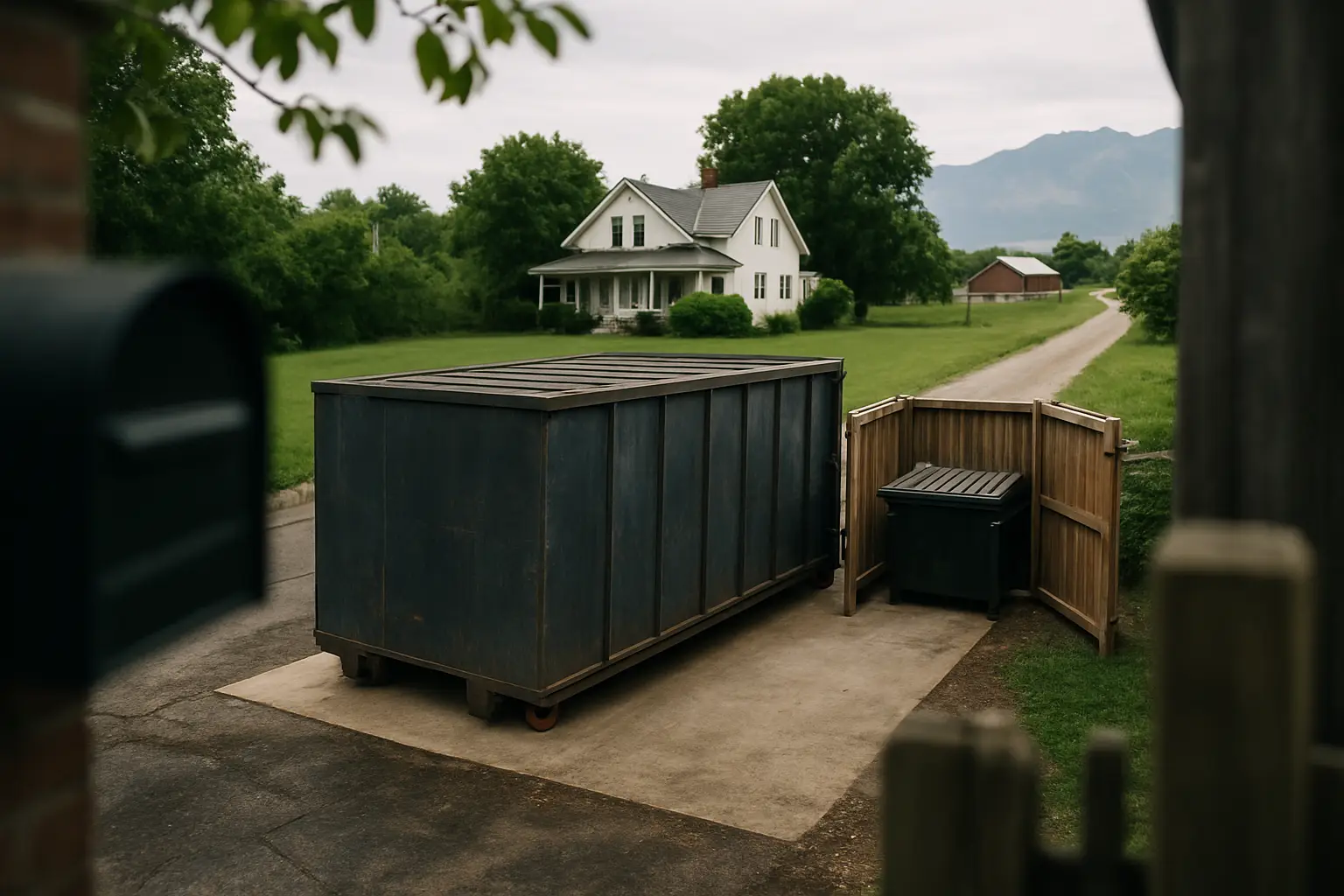
Salt Lake City jobs often look easy from the street and become complicated at the property line. Older central neighborhoods may have detached garages, shared alleys, mature trees, parked vehicles, and driveways built for smaller household cars rather than a delivery truck. Downtown and near-downtown properties can involve tight curb space, active sidewalks, loading areas, or a building manager who controls access. Before scheduling, Jaydon Dumpster Rental checks the intended placement, overhead clearance, turning room, and surface condition. A container may fit physically but still block an alley, garage, gate, or neighboring access route.
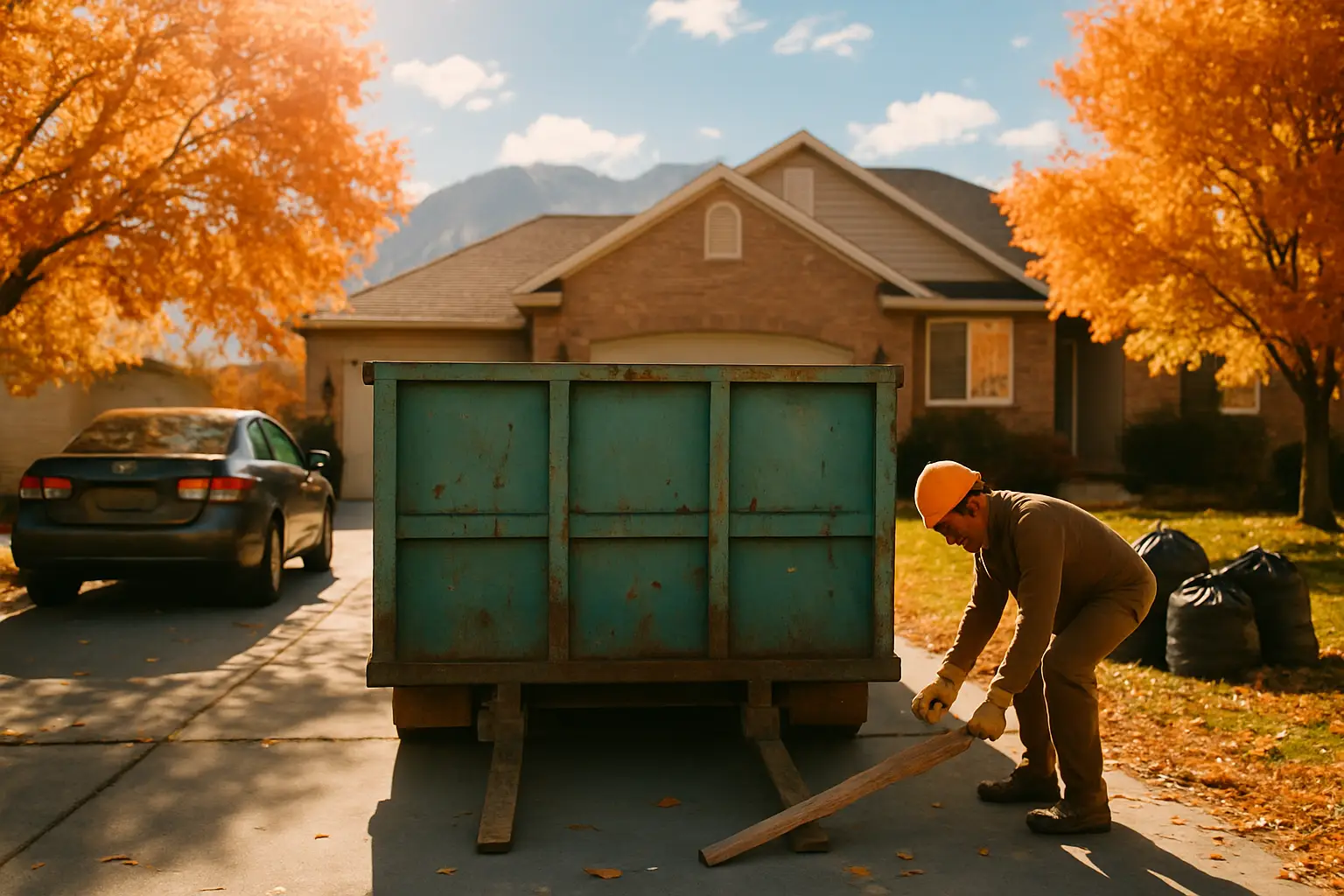
Utah weather changes the placement decision. Spring runoff, summer heat, wind, and winter freeze-thaw cycles can soften shoulders or expose cracks in older pavement. A full container is heavy, so a sloped driveway, decorative pavers, or a narrow side yard deserves more attention than a flat newer slab. Delivery boards help distribute contact across the driveway, but they do not make every surface suitable. Tell us whether the container must sit on asphalt, concrete, gravel, or a public street, and describe any grade or soft ground before the truck is dispatched.
Salt Lake City also mixes residential blocks with commercial corridors, apartment properties, remodels, and recurring contractor work. A clean placement plan matters when residents share a drive, when an alley must remain open, or when a project runs beside active storefronts. If the container needs to sit on public space, town or city permission may apply before delivery. Have the address, preferred placement, material list, access notes, and any property-management requirements ready so the size and placement can be discussed accurately.
Project fit
Salt Lake City dumpsters for real cleanup work
These common project types help match the container to the material, access, and loading pattern found across Salt Lake City. A smaller option is often the sensible choice when debris is dense or the work area is limited.
Home Cleanout Dumpsters
Salt Lake City home cleanouts often combine furniture, cabinets, flooring, and household materials. Describe the home size, alley access, stairs, and parking conditions so the container can be placed without cutting off the working route.
Household projectsGarage and Basement Cleanup
Older Salt Lake City garages and basements can hold dense storage, shelving, appliances, and renovation leftovers. A compact container may fit better beside a detached garage, while careful loading keeps the opening usable.
Dense home debrisMoving and Downsizing Dumpsters
Moving projects in Salt Lake City may involve apartments, bungalows, duplexes, or homes with shared driveways. Plan around building access, elevators, alley traffic, and the order materials will come out of the property.
Move-out cleanupYard Waste Dumpsters
Salt Lake City yard work can produce branches, sod, soil, and landscape material during seasonal cleanup. Keep heavy dirt and concrete separate from mixed household debris, and explain the material before choosing a container.
Seasonal yard workRemodeling Debris Dumpsters
Kitchen, bathroom, and flooring projects in Salt Lake City commonly create heavy, compact debris. Tell us about tile, concrete, cabinets, drywall, and the driveway grade so capacity does not get confused with weight.
Renovation materialRoofing Dumpsters
Roofing work near Salt Lake City homes needs a placement plan that accounts for tear-off distance, gutters, vehicles, and overhead branches. Keep the container reachable from the roof work without blocking the alley or sidewalk.
Roof tear-off
Material and weight
Salt Lake City homes change the size decision
Salt Lake City housing stock varies sharply from compact central bungalows and brick cottages to larger postwar homes, duplexes, apartments, and newer construction farther from the core. A basement cleanout in an older house may produce dense shelving, masonry, plaster, or flooring that fills a container by weight before it fills by volume. A light household decluttering job may need more room but less weight. That distinction matters. A container that looks large enough can still be the wrong choice if the load is mostly concrete, dirt, roofing, tile, or wet material. Describe the debris by material, not just by room count, so the working size reflects what the truck will carry.
Driveway and alley conditions matter just as much. Central Salt Lake City properties may have narrow lots, detached garages, shared rear access, and mature landscaping that limits the delivery path. Newer neighborhoods can offer wider drives but still have slopes, decorative surfaces, or strict community placement expectations. Heavy debris should be loaded evenly rather than piled to one side. Keep doors, gates, utility access, and the truck approach clear. If the project changes from a light cleanout to demolition, update the material list before delivery instead of hoping the original container will handle it.
Before delivery
Prepare the Salt Lake City placement area
- Measure the Salt Lake City driveway or alley approach, including gates, branches, parked cars, and overhead clearance.
- Move Salt Lake City vehicles and loose equipment away from the planned container footprint before delivery day.
- Separate concrete, dirt, roofing, and other heavy materials from lighter remodeling debris before discussing size.
- Check whether Salt Lake City public-street placement needs permission before reserving curb space for the container.
- Keep sidewalks, shared alleys, garage doors, utility access, and Salt Lake City loading paths open around the container.
Common questions
Answers for Salt Lake City dumpster jobs
What size dumpster do I need for a Salt Lake City remodel?
Choose the size by material, volume, and access rather than by the room name alone. A bathroom or kitchen remodel may fit a smaller container when debris is light, but tile, concrete, cabinets, and flooring become dense quickly. Salt Lake City homes often have narrow drives or alley access, so describe the surface and approach. Keep debris below the fill line and separate unusually heavy material before delivery planning.
Can a dumpster fit in a Salt Lake City alley?
A dumpster can fit in some Salt Lake City alleys when the truck has enough width, turning room, overhead clearance, and a clear approach. Shared alleys, parked cars, detached garages, utility lines, and gates can change the answer. Send the exact access details during scheduling. Move vehicles, trim no branches without permission, and make sure neighbors or property managers know the planned placement.
Can I place a dumpster on a Salt Lake City street?
Street placement may be possible, but Salt Lake City public space can involve permission, parking conflicts, sidewalk clearance, and traffic concerns. The property address and exact curb location determine what needs to be checked before delivery. Do not reserve a curb until placement requirements are understood. Have photographs or measurements of the street, sidewalk, nearby vehicles, and overhead obstructions ready for the scheduling conversation.
How do winter conditions affect dumpster delivery in Salt Lake City?
Freeze-thaw cycles, snow, ice, and softened shoulders can affect whether a driveway or side area can support a loaded container. Salt Lake City placement should account for slope, drainage, surface cracks, and space for the truck to approach safely. Clear snow and ice from the access route, identify soft or recently repaired areas, and mention weather-related surface concerns before delivery is planned.
What can I put in a Salt Lake City dumpster?
Common renovation, roofing, household, and yard debris may be accepted, but material rules depend on the load and disposal requirements. Concrete, dirt, wet material, appliances, chemicals, and other unusual items should be identified before loading. Salt Lake City projects often mix old housing materials with modern remodeling waste, so do not bury questionable items under ordinary debris. Keep prohibited or uncertain materials aside until they are discussed.
Plan the container around your property
Tell Jaydon Dumpster Rental what you are removing, where the container must sit, and how the truck reaches it. Have the address, access measurements, surface type, and any heavy materials ready for a clear scheduling conversation.
Click Here to Call(385) 521-5604Local routes
Serving Salt Lake City blocks and corridors
Jaydon Dumpster Rental dispatches from S Salt Lake to Salt Lake City properties where access must be planned around alleys, older homes, commercial activity, and changing street conditions. Coverage includes central neighborhoods, west-side blocks, foothill-facing areas, and active corridors. Share the exact address, ZIP 84101 when applicable, and placement details so the route and container setup fit the property.
neighborhoods can include